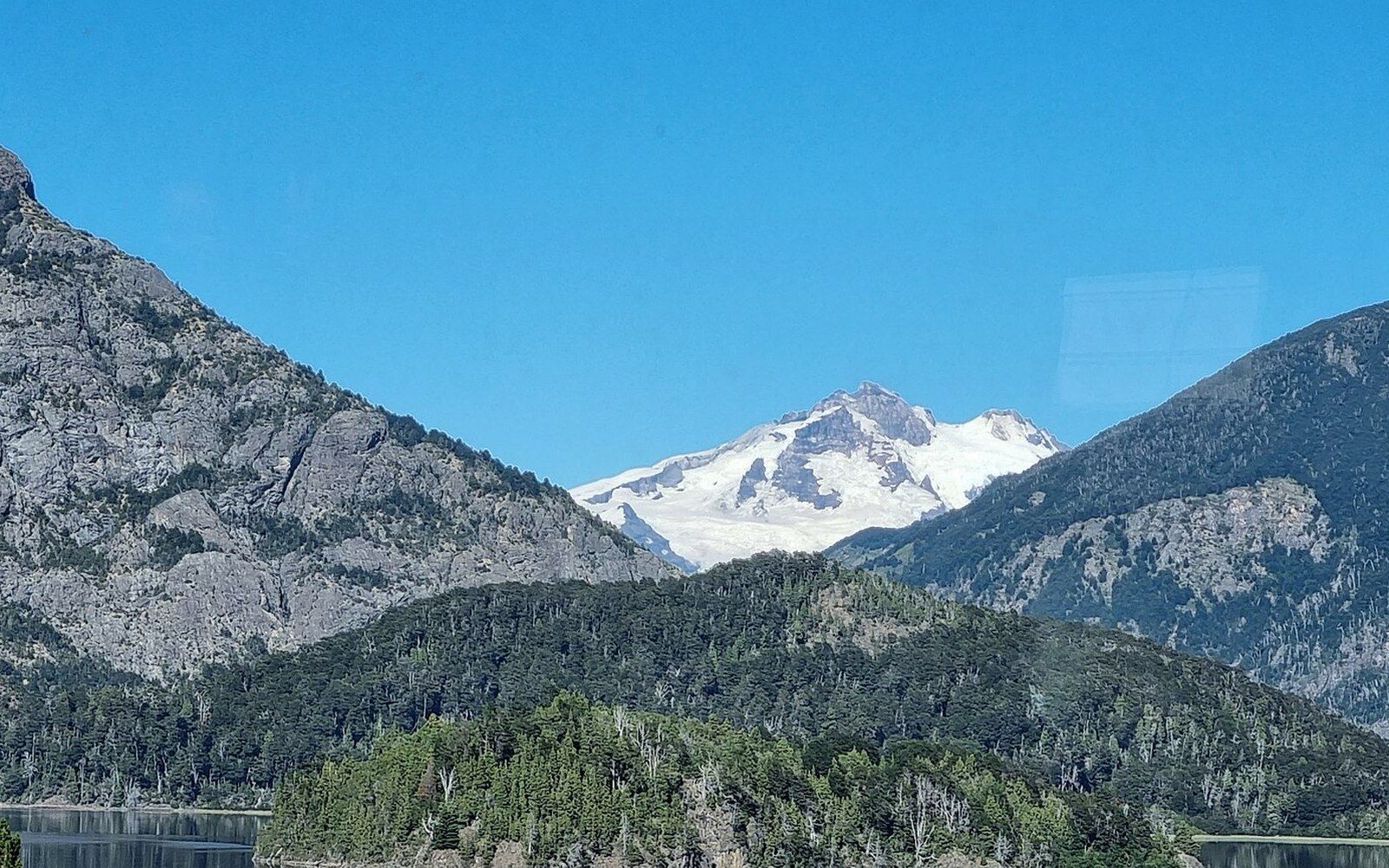
Cerro Catedral, and the town underneath it
The biggest ski area in South America shares its mountain with nobody in particular — it serves a city of a hundred thousand people, which makes it something different from every other resort on the range.
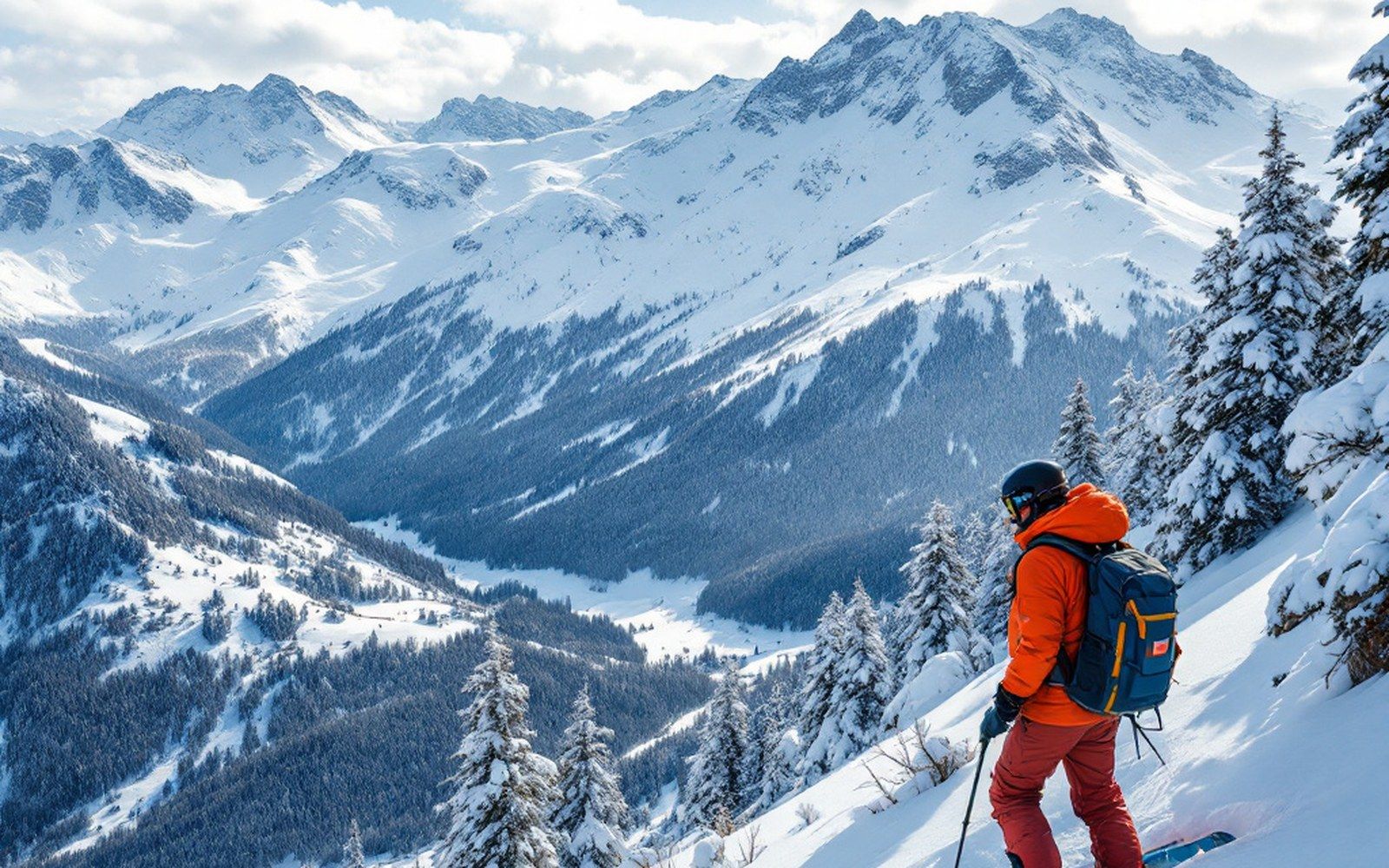
The mountain itself
Catedral is not the highest or the snowiest resort in the Andes. That distinction belongs, in different categories, to Las Leñas or to the smaller areas that sit higher and colder. What Catedral has is scale: roughly sixty-five kilometres of marked pistes spread across a bowl of linked ridges and sub-peaks that runs along the western flank of the Nahuel Huapi National Park. The ridgeline looks, from the right angle, like a Gothic cathedral in jagged silhouette — a coincidence of geology that gave the mountain its name and its visual signature.
The base sits at around 1,050 metres above sea level, and the upper lifts reach past 2,300 metres. That vertical is not exceptional by Andean standards, but the width of the skiable terrain — multiple faces, several distinct valleys between the ridges, and a full southern exposure on some sectors — means that two skiers can spend the same day on Catedral and barely share a run. The lift network, which has been extended and replaced in stages since the resort opened commercially in the 1930s, now numbers over thirty installations ranging from long gondola sections to short drag lifts serving the upper bowls. The resort's own elevation profile and its relationship to the wider range becomes clearer when laid against the other eight.
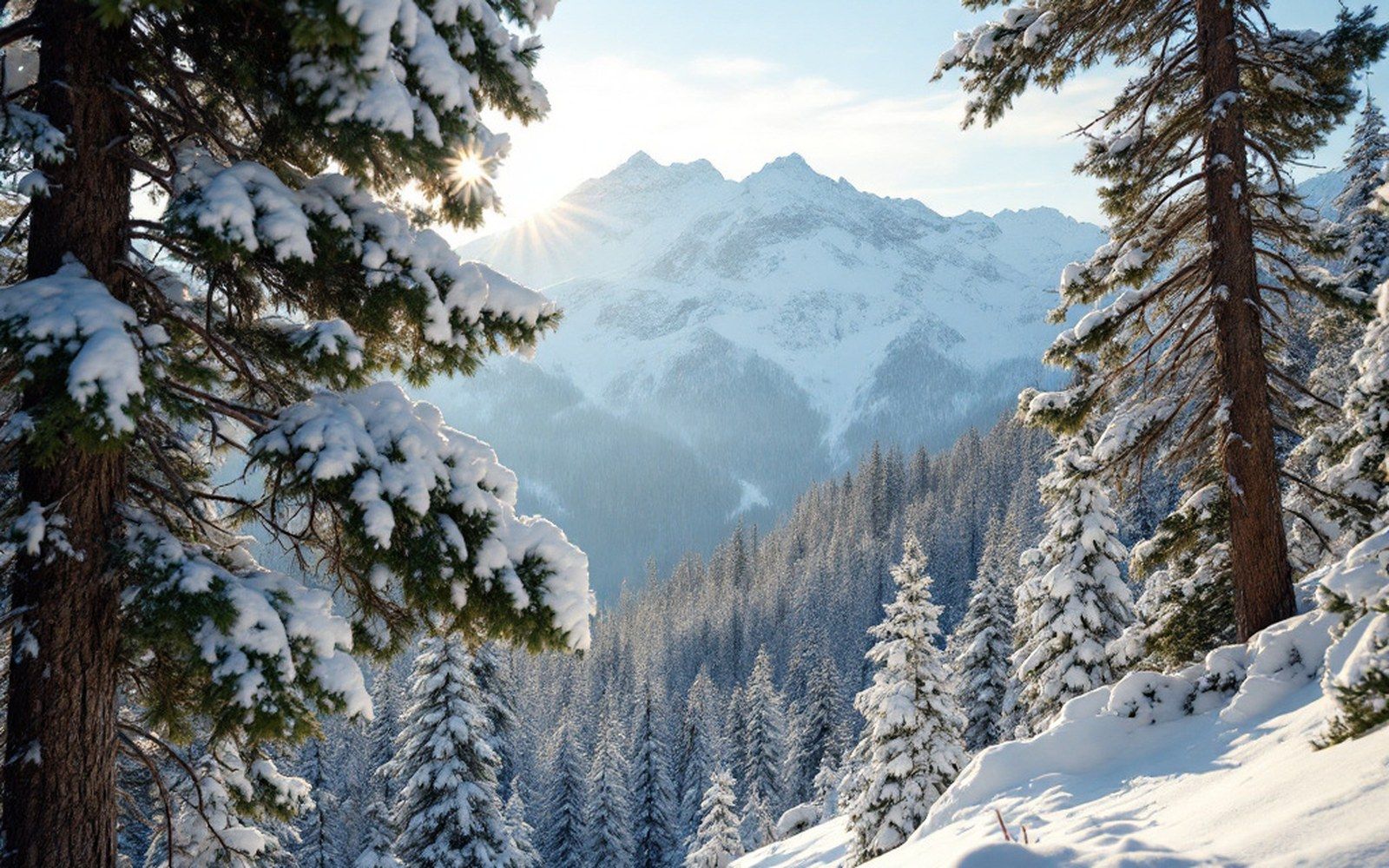
Snow at Catedral arrives mostly between June and September, carried by Pacific fronts that cross the Andes and deposit their moisture on the Chilean side first, then reach the Argentine lake district in diminished but still substantial form. The orientation of the mountain — its main faces look roughly northeast and east — means it catches morning sun early, and that characteristic soft Patagonian crust is a fixture by midday on a clear day. In the afternoon the upper slopes can refreeze hard. The lenga (Nothofagus pumilio, a southern beech native to the region) grows dense up to around 1,700 metres on Catedral's flanks; above that the terrain opens into exposed ridges where sastrugi — the wind-sculpted ridges of compacted snow familiar from the southern exposed areas — build during persistent westerlies. The treeline here sits lower than at the northern resorts and much higher than at Cerro Castor, which reflects where Catedral falls in the latitudinal sequence.
From the field notes
The mountain in numbers
- Base elevation
- approximately 1,050 m above sea level
- Upper lift terminus
- above 2,300 m
- Marked pistes
- approximately 65 km across linked sectors
- Lift installations
- more than 30, ranging from gondola sections to drag lifts
- Bariloche city population
- approximately 100,000 permanent residents
- Distance from city centre to Villa Catedral base area
- approximately 20 km
What Bariloche does to it
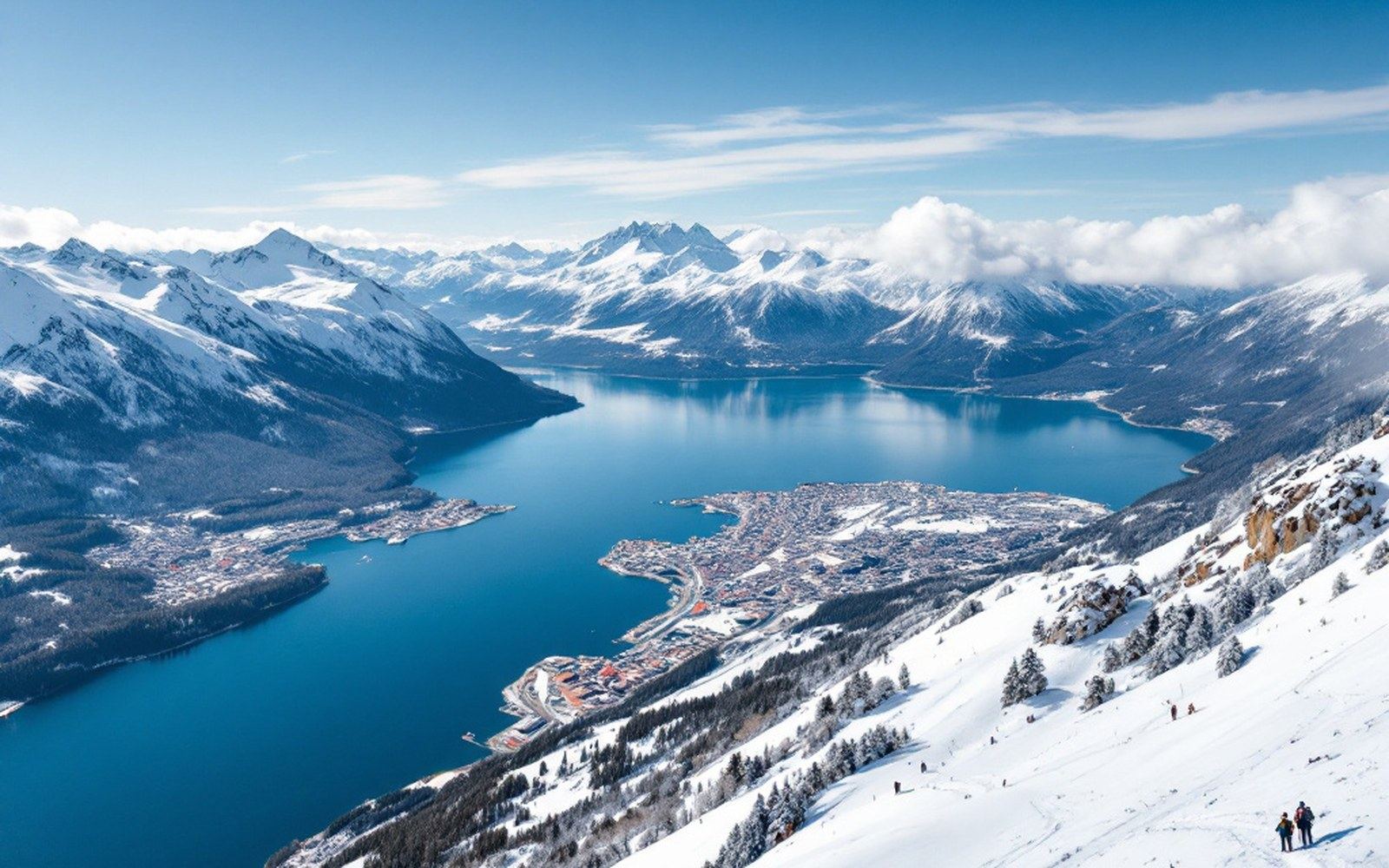
San Carlos de Bariloche is a city, not a ski town. A hundred thousand permanent residents, a year-round tourist economy, a National Atomic Energy Commission research centre, a university, a chocolate-and-tourism industry that generates income in January as easily as in July — this is a place with a life that does not depend on the ski season, even if the ski season is part of its identity. That changes everything about what Catedral feels like in winter.
At Chapelco, above San Martín de los Andes, or at La Hoya near Esquel, the resort and the town are in a recognisable relationship: the town orients toward the hill, the hotels fill with skiers in July, and the social fabric of the winter weeks is organized around the lifts. Bariloche has its own social fabric in winter — Argentine school holiday groups, Brazilian visitors who may never ski, domestic tourists who come for the chocolate shops and the lake views and happen to notice there's a mountain. The bus to Catedral runs from the city centre, twenty kilometres east to west, and it carries a full cross-section: families with rental boards, a group of teenagers from Buenos Aires in their first week above 1,000 metres, a retired couple from Córdoba who ski every year and know exactly which chair to take from the top of the Villa Catedral gondola to reach the emptier north-facing runs by nine in the morning.
Villa Catedral — the small village at the base — is not the resort's town. It is more like an outpost of the city, a functional base area with rental shops, food, and the staging point for the lifts, all of it supported by Bariloche's infrastructure rather than self-contained. The consequence is that Catedral never quite empties between storms the way that a purpose-built destination resort might. Bariloche's status as a city with a mountain next door shapes the season in ways that a smaller base cannot.
The scale problem and the crowd pattern
Scale brings its own complications. A resort of Catedral's size requires a coordination that is neither simple nor invisible. The lift system spans multiple sub-sectors — Cañadón, Lynch, Punta Nevada, Nubes — that were developed at different periods and are not always elegantly joined; getting from one side of the mountain to the other can involve a traverse that rewards familiarity and punishes impatience. The snowpack is uneven across the faces. In a good season, everything connects; in a lean year, the connective tissue — the traverses, the flats, the runs that link one gondola station to another — thins out first, and the mountain contracts into its better-covered sectors. The 2010s shortfall across the whole range was felt here as constraint: a mountain built for big snow showed its bones in the lean years.
The crowd pattern reflects the city's heterogeneity. Argentine July school holidays — the fortnight that corresponds roughly with the end of July — fill the mountain with a density that the lift network absorbs imperfectly. First chairs develop long queues on key lifts. Locals and repeat visitors time their days accordingly: early starts to beat the bottleneck, then a long lunch in one of the mountain restaurants while the queues clear, then afternoon laps on whatever face still holds the best snow. By mid-August the crowds thin, the national team athletes who have been in the area for training head to other commitments, and the mountain takes on a different quality — longer views from the top, fewer people on the runs that require a bit of navigation to reach. The northern hemisphere race teams that use the Andes for southern-hemisphere training do appear in Bariloche's orbit, though their work tends to be on specific pisted sections rather than across the whole mountain.
Cerro Catedral's place in Argentine ski history is documented: the resort is one of the oldest in South America, and the development of its lift network tracks the country's economic cycles as directly as any infrastructure in the region. The surrounding Nahuel Huapi National Park, created in 1934, sets the boundary within which the resort operates — no expansion beyond the concession, no cutting of lenga forest outside the designated ski area. That constraint is why the terrain has the shape it does: broad above the treeline, confined below it, always against the backdrop of a protected landscape that was there before the first lift went up and will be there after the cables come down.
From the field notes
Seasonal rhythm
- Main snow months
- June through September
- Argentine school holiday peak
- concentrated in late July (roughly the last two weeks)
- Mid-August
- crowds thin, light on the mountain changes, quieter sector access improves
- Low-snow years
- connective terrain (traverses, linking flats) fails first; mountain contracts into covered sectors