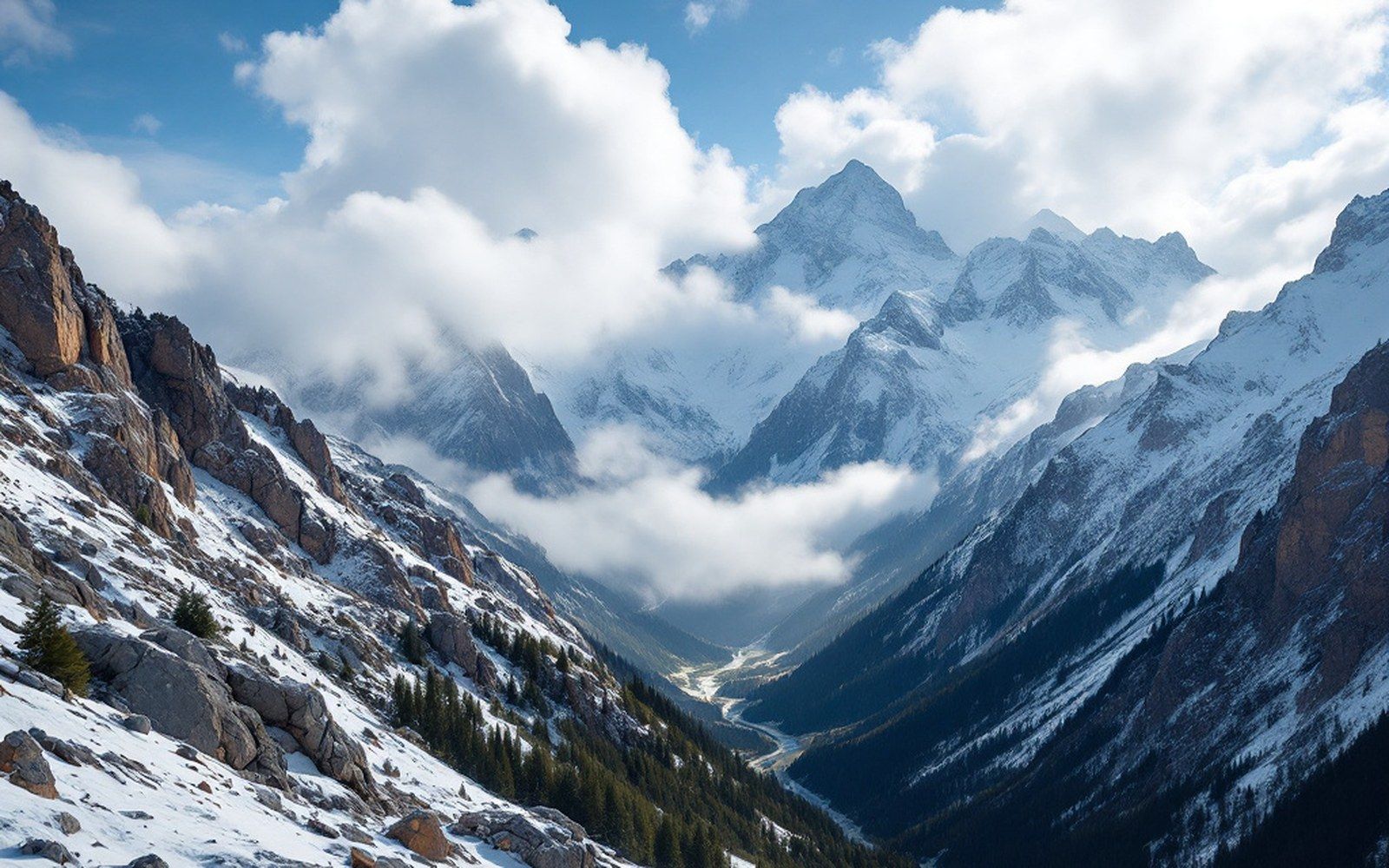
Cerro Castor, the southernmost
At 54 degrees south, the last lift before Antarctica — and why race teams are still turning gates in October.
The end of the lift-served world
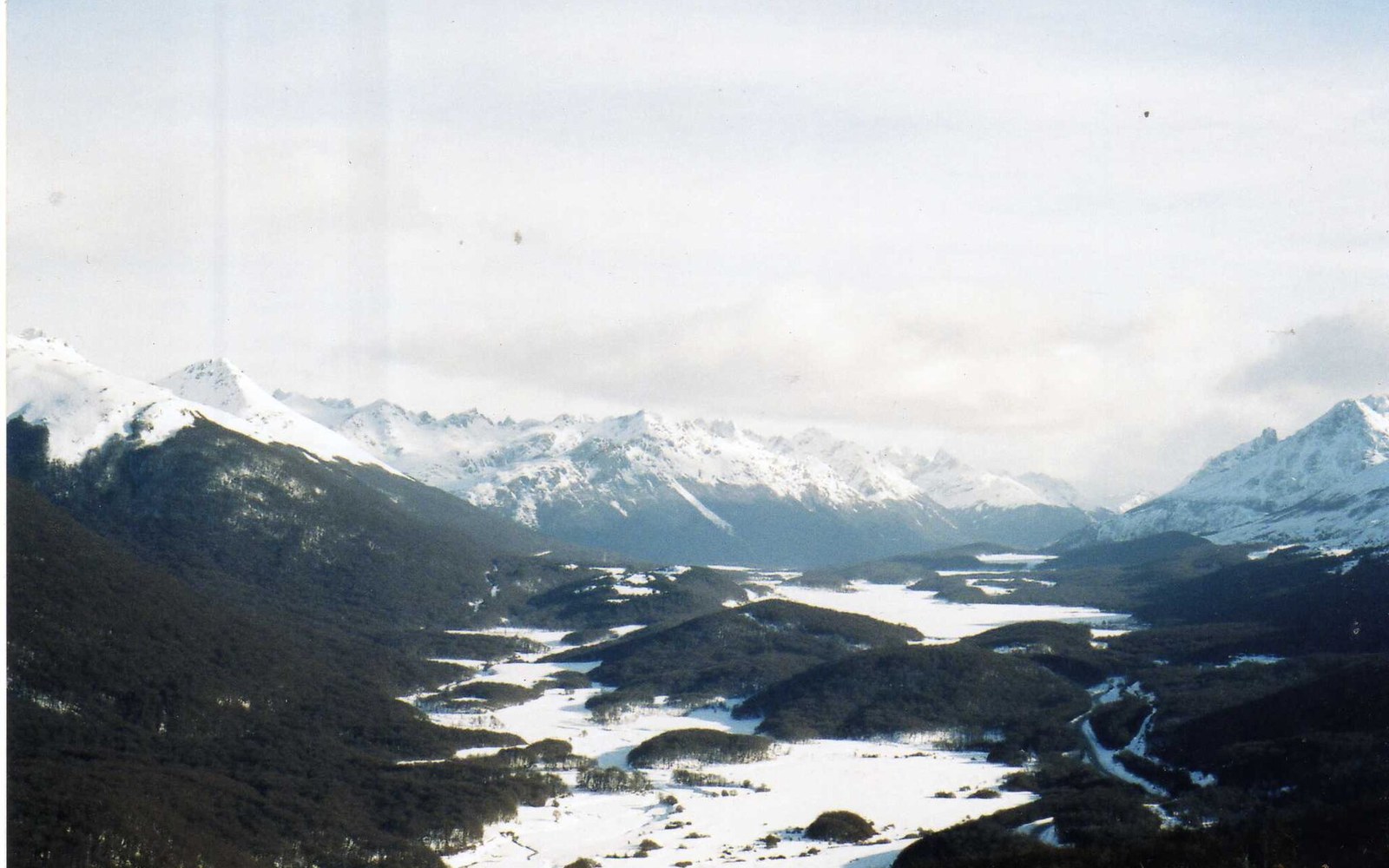
Cerro Castor sits in the Martial Range above Ushuaia, at the southern tip of Tierra del Fuego, and its claim is not a modest one: it operates the southernmost ski lifts on earth. The coordinates put it closer to the Antarctic Peninsula than to Buenos Aires. The Beagle Channel is visible from the upper runs on a clear day, a strip of cold grey water separating Argentina from the Chilean islands to the south, and beyond that, nothing with a chairlift.
The resort opened in 1999, which makes it younger than every other lift-served area in Argentina. It was built deliberately late in the country's ski development, a conscious bet on the one latitude advantage no other mountain in the hemisphere can match: a season that runs long into the southern spring. While Mendoza resorts are already thinking about summer, Castor can hold snow into October and occasionally beyond. The cold is structural, not climatic luck — the subpolar maritime air that rolls in off the Drake Passage keeps temperatures suppressed even as the sun climbs. This is the same regime that makes Tierra del Fuego a place of persistent winds and low-angle light rather than cold snaps and thaws.
The snowpack that builds here arrives differently from the Andes snowfields further north. Where resorts from Las Leñas to Chapelco depend on a small number of Pacific frontal systems crossing the Andes, Ushuaia receives precipitation from the south and west across open ocean, with fewer of the rain-shadow effects that can leave the northern resorts waiting. The snow tends to be denser and wetter than the powder that accumulates above Mendoza — this is maritime snow country, not continental. Sastrugi, the wind-sculpted ridges that form when surface drift consolidates in persistent wind, appear regularly on the exposed upper terrain; they are a consistent feature of the Fuegian landscape, not an occasional curiosity.
From the field notes
What makes it different from the northern resorts
- Southernmost lift-served skiing on earth — 54° S, above Ushuaia
- Opened 1999, the youngest resort in the Argentine circuit
- Maritime snowpack (from the south and west, Drake Passage exposure), denser and wetter than continental Andean snow
- Season extends into October, sometimes beyond — structural cold from subpolar maritime air
- Sastrugi common on exposed upper terrain
- Lenga beech forest on lower flanks; treeline arrives earlier (lower elevation) than at any other Argentine resort
- No araucaria — that species is confined to northern Patagonia
Why the training teams come
The practical consequence of Castor's latitude is that it offers competitive ski training at a time when no resort in the northern hemisphere is operating. European and North American national teams arrive in August and September — deep in their own off-season — to run technical gates on groomed pistes while their home mountains are still in summer. The Castor terrain suits this. The mountain's vertical drop is modest by Andean standards, around 800 metres, but the groomed trails are consistent and the lift infrastructure was built to handle systematic, repetitive use of the kind that a training camp demands. Teams are not sightseeing; they need reliable access to the same pitch, run after run, in a window when no competitors are watching.
The lenga, the southern beech — Nothofagus pumilio — lines the lower flanks and gives the approach roads and base area their particular character: a pale, open woodland that turns copper and red in April before the leaves drop, and stands bare and silver by the time the lifts open. Above the treeline, which arrives quickly at this latitude, the terrain opens into the rounded subalpine summits that define the Martial Range. There are no araucaria here — that tree belongs to the northern Patagonian latitudes around Caviahue, thousands of kilometres away. Castor's forest is purely lenga, and the treeline sits lower than anywhere else in the Argentine ski circuit.
The wind is the other constant. Ushuaia's exposure to the westerlies means that lift operations are more frequently affected by weather events than at sheltered northern sites like Chapelco above San Martín de los Andes. The resort's operators have structured the lift system to give options on days when the upper mountain is closed — lower runs remain accessible when the summit chairs are locked out. Whether the wind cooperates is, as elsewhere in Tierra del Fuego, not something the calendar controls.
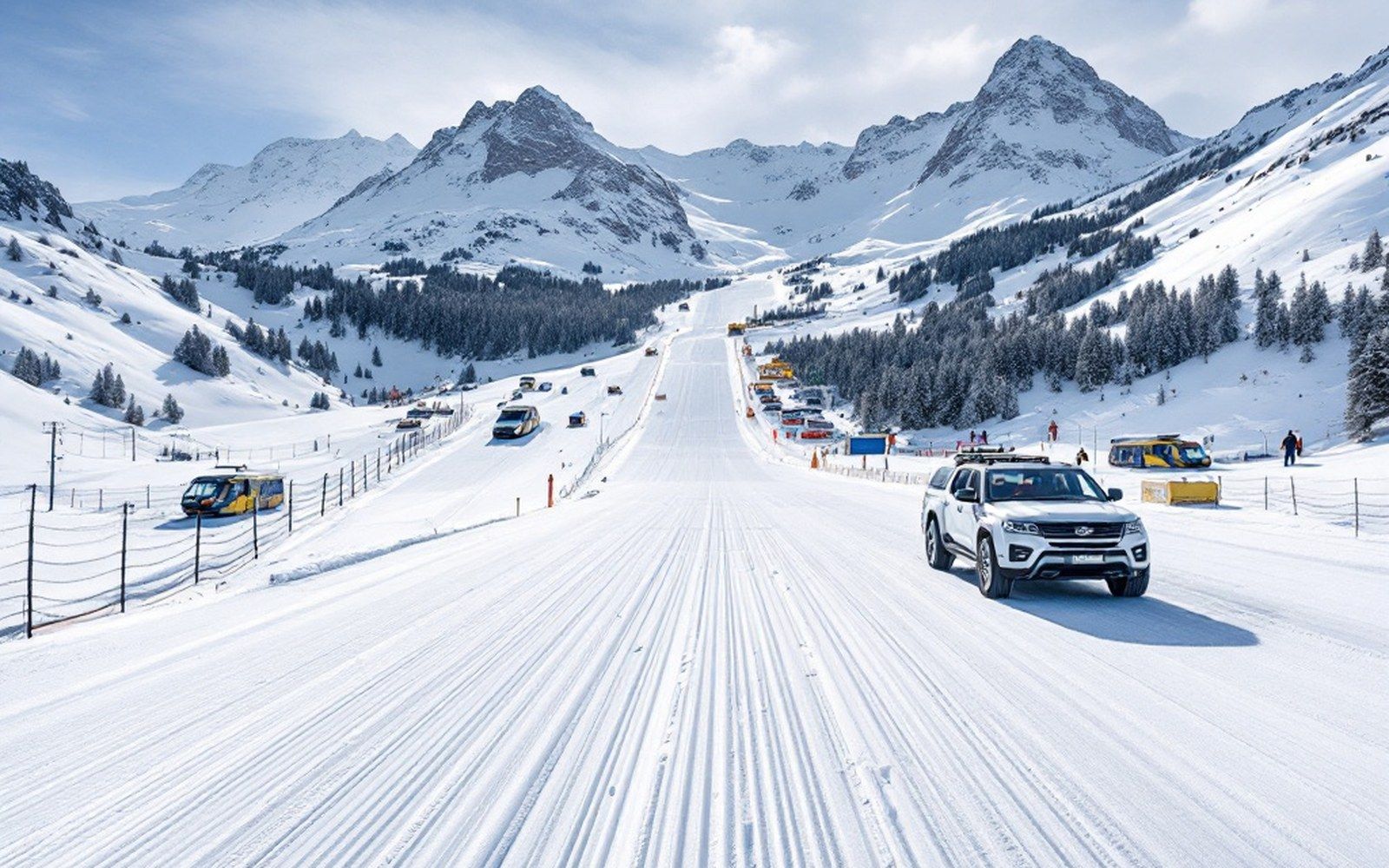
What Castor cannot offer is scale. It is not a large mountain. What it offers instead is finality: the last point on the continent where groomed snow, a working chairlift and a timed course can all coexist in the same month. For the national teams booking their August block, that is the only number that matters.
From the field notes
The training-camp logic
- Off-season timing: northern-hemisphere national teams arrive Aug–Sept when home mountains are closed
- ~800 m vertical drop — modest, but sufficient and consistent for gate training
- Lift infrastructure designed for repetitive, high-use training patterns
- Wind can close upper lifts; lower terrain remains available as a fallback