Las Leñas, and the chair called Marte
The steepest lift-served terrain in South America hangs above a single chairlift, and whether that chair is turning is the whole story of a day at Las Leñas.
The mountain and what it is built on
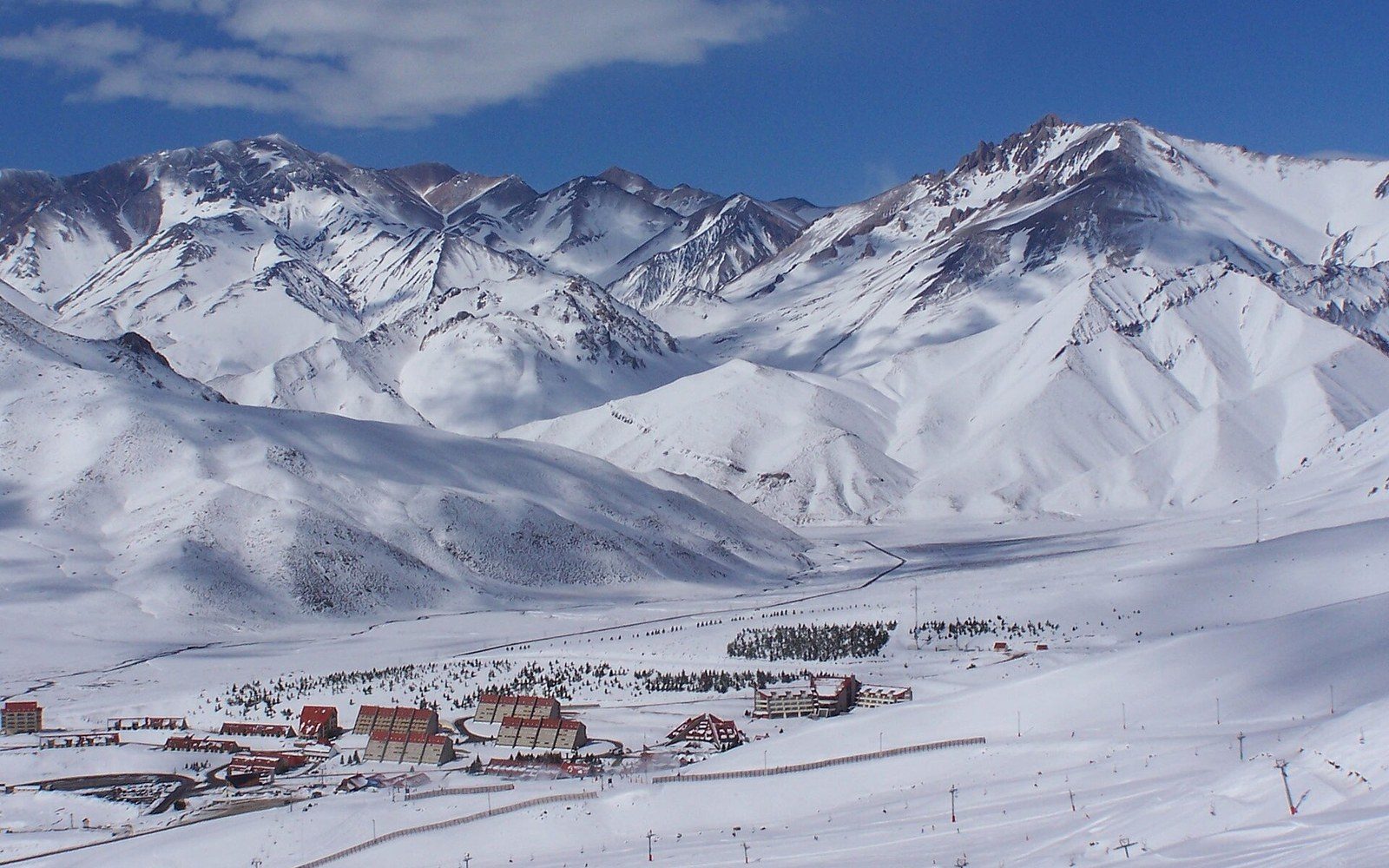
Las Leñas sits in the southern end of Mendoza province, roughly 450 kilometres south of the city of Mendoza itself, in a fold of the Andes that gets very little shelter and a great deal of vertical. The resort opened in 1983, late by South American standards, and was conceived from the beginning as something different from the sociable ski towns that had grown up around Bariloche and San Martín de los Andes. There is no town beneath Las Leñas, only the resort's own hotel and apartment complex, planted at 2,240 metres in a valley that is genuinely remote — the nearest city of any size is Malargüe, about 70 kilometres north by road.
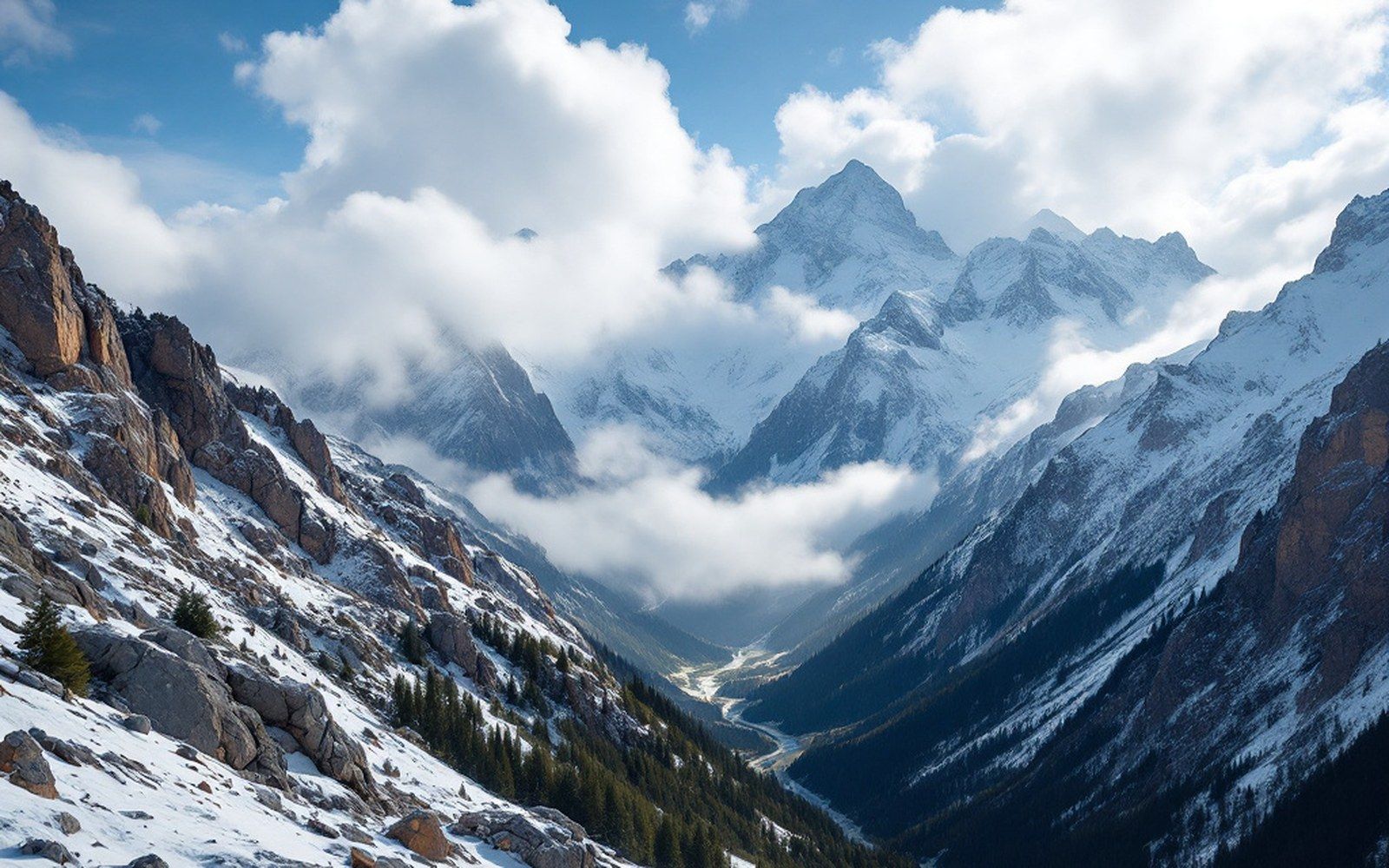
The mountain's base elevation is already high, and the terrain at Las Leñas reaches 3,430 metres at the summit. That vertical range, just under 1,200 metres of lift-served drop, is among the greatest of any resort in South America. But the number that makes people go quiet is not the vertical: it is the pitch of the terrain that opens up above the resort's highest lift. There are faces here where the slope angle sustains forty degrees across a width that no other resort in the continent can match, all of it above the treeline — which at this latitude and elevation is far below. The lenga (southern beech, Nothofagus pumilio) does not reach Las Leñas at all; the terrain is open, rocky, wind-scoured, and in a poor snow year, brutally exposed.
The snow itself comes from Pacific depressions that track south of the main jet and push moisture across the Andes into this section of the cordillera. In good years the valley accumulates a snow base that consolidates and densifies through the season, producing the firm, settled cover that high-pitch terrain requires to be rideable. In poor years — and the 2010s produced a sustained run of them — the same exposure that gives Las Leñas its character can strip the upper mountain bare. The resort sits in a position where the zonda (a hot, dry foehn-type wind descending the eastern lee of the Andes) hits with particular force; a single strong zonda event can cost the snowpack a significant fraction of its water equivalent in a day.
From the field notes
The numbers that matter here
- Base elevation
- 2,240 m
- Summit elevation
- ~3,430 m
- Lift-served vertical
- ~1,200 m (second in South America)
- Marte chair
- fixed-grip double, top station ~3,430 m, ~500 m of vertical gain
- Resort opening year
- 1983
- Nearest town
- Malargüe, ~70 km north
What Marte is, and what it takes to run
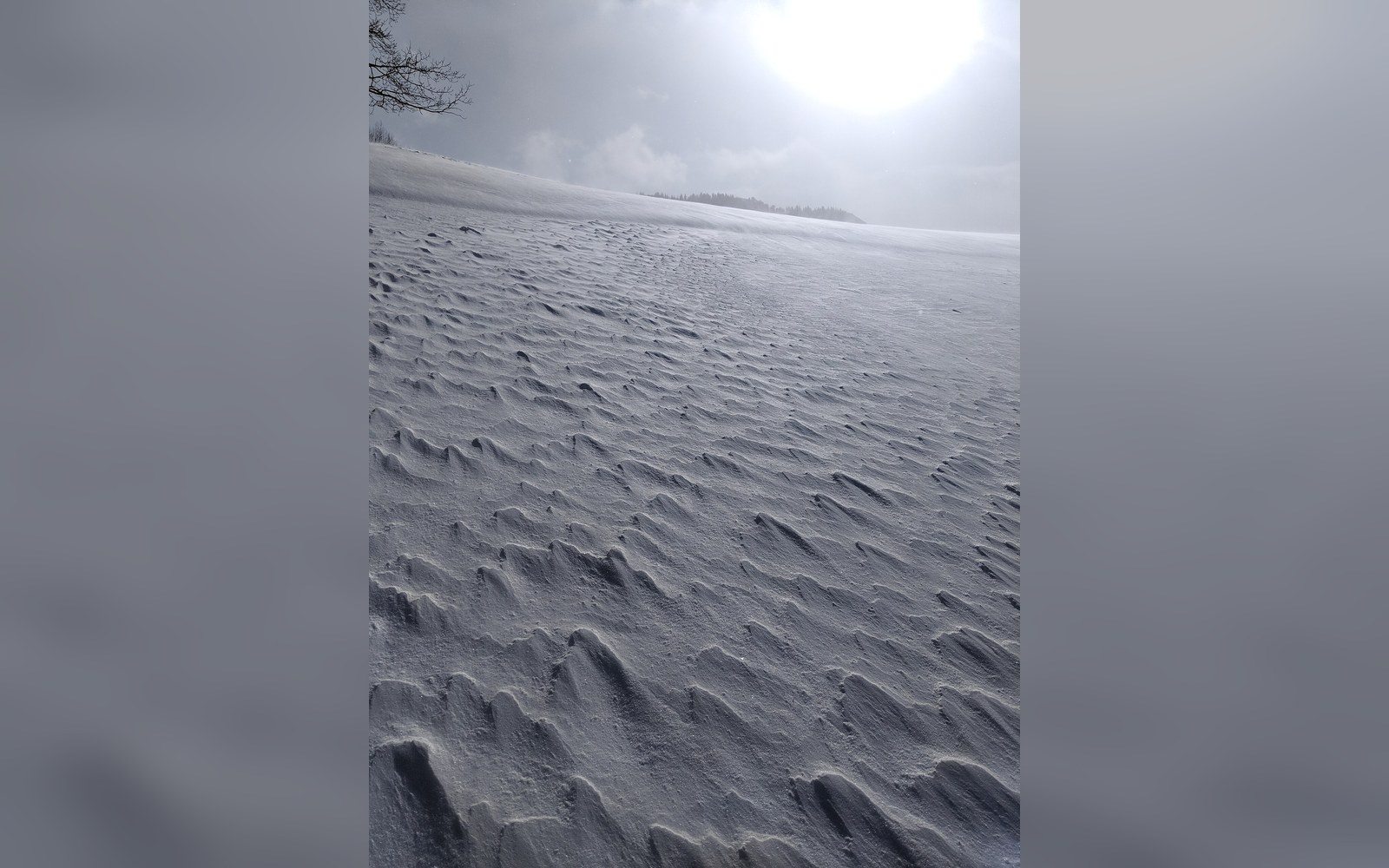
The Marte chairlift rises from around 2,900 metres to approximately 3,430 metres, a vertical gain of roughly 500 metres on a line that points almost directly at a ridge. Above the top station the mountain opens into a collection of chutes, couloirs and sustained fall-line pitches that represent the steepest lift-served skiing on the continent. The terrain is not groomed and is not designed to be; it exists as the mountain left it, shaped by freeze-thaw cycles, wind loading and periodic avalanche activity that is a natural function of slopes at this angle. The faces hold sastrugi (wind-sculpted snow ridges) after any significant blow, and the aspect means solar radiation can consolidate the surface hard by midday.
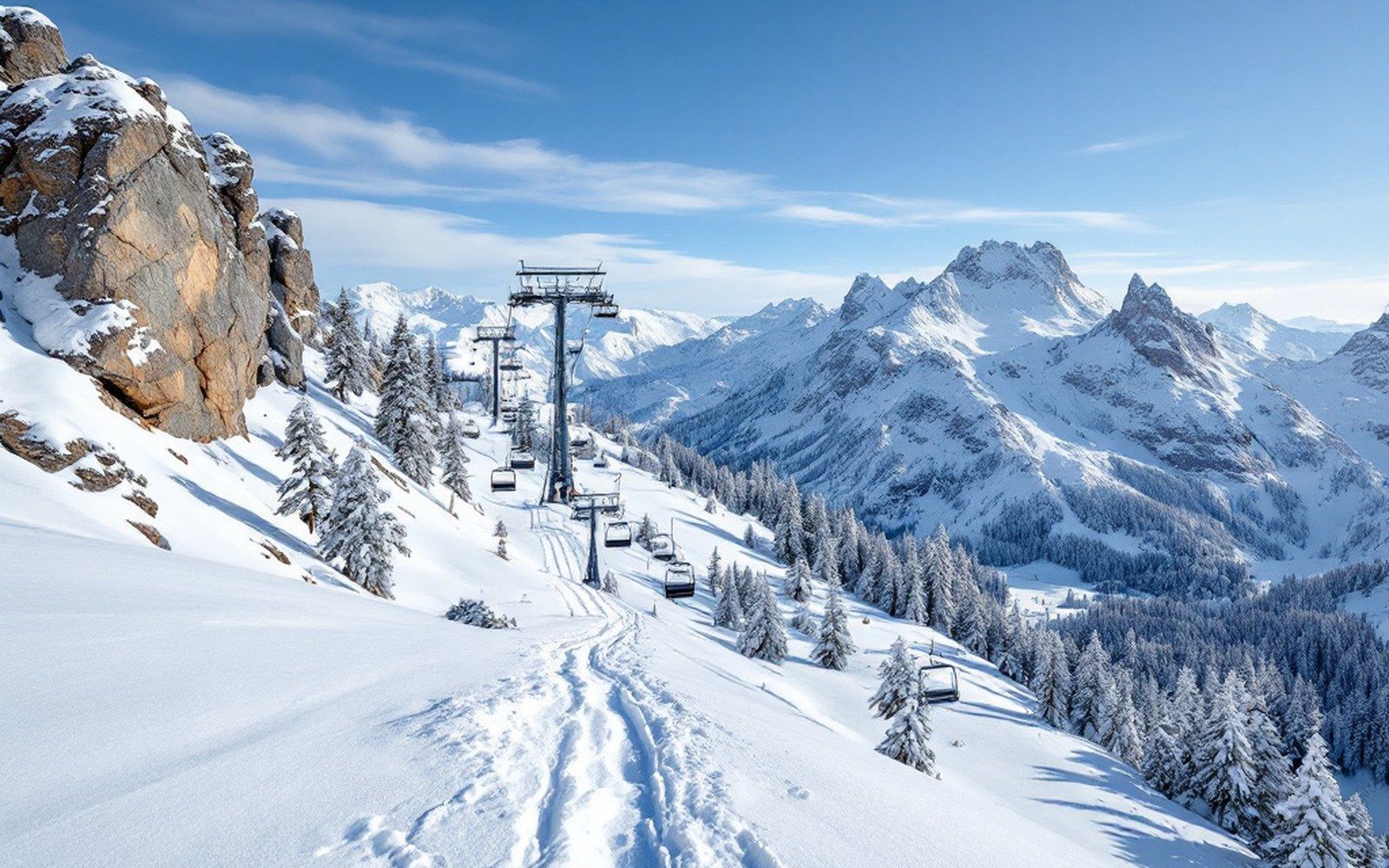
The chairlift itself is a fixed-grip double, which matters because a fixed-grip chair on a long, exposed line at 3,000 metres is exactly the kind of installation that stops turning the moment wind exceeds its operating limit. Las Leñas sits in a gap in the range where weather moves through fast and hard; the gap is part of why the snowfall totals are as high as they are in a good year, and it is the same reason that Marte closes regularly, sometimes for days at a time, sometimes for a week or more. The chair's operating log across any full season would show more closed days than any comparable lift at lower, more sheltered resorts.
This is the defining tension of Las Leñas. The terrain above Marte is extraordinary by any measure — the kind of sustained, above-treeline steepness that European and North American skiers travel specifically to find. But accessing it depends on a lift that the weather decides. A week at Las Leñas in which Marte runs every day is a week that most regular visitors have not experienced; a week in which it never opens is entirely possible and not unusual. The mountain's other lifts — Géminis, Escorpio, Piscis and the rest — serve terrain that is worthwhile in its own right, but they are not what Las Leñas is for in the mind of anyone who has studied it from the outside.
The people it draws, and when
Northern-hemisphere race programs and professional freeskiers have trained at Las Leñas since the 1980s. The altitude, the pitch, the reliable cold and the absence of any conflicting mountain-town culture make it logistically straightforward for teams that want to work, not look at scenery. August is the core month for this traffic, and in August the lifts run on a schedule shaped partly by training needs — national and international race teams have used Las Leñas and the other southern resorts for northern-hemisphere off-season preparation for decades.
For Argentine skiers the resort carries a particular weight in the national imagination that its remoteness and its difficulty together produce. To have skied Las Leñas, and specifically to have skied Marte on a day it was open and in condition, is a different credential from having skied the rest of the country's mountains. The ambition is real, the satisfaction is real, and the obstacle — that chairlift, that wind — is real.
The season runs from late June to early October in a good snow year, with July and August the most reliable months for upper-mountain access. September can bring warm spells that strip the high faces fast, though it can also produce the best consolidation of the season. What the mountain offers in measured vertical and lift-served area does not tell the story that Marte tells, which is: the number of days the summit circuit was possible, counted at the end of each season and never quite as many as anyone hoped.
From the field notes
How the place works against itself
- The gap in the range that delivers snowfall is the same gap that drives wind past Marte's operating limit
- Zonda events — hot dry foehn winds off the Andes — can strip the snowpack significantly in a single day
- Upper-mountain terrain is above the treeline entirely; no shelter at any point