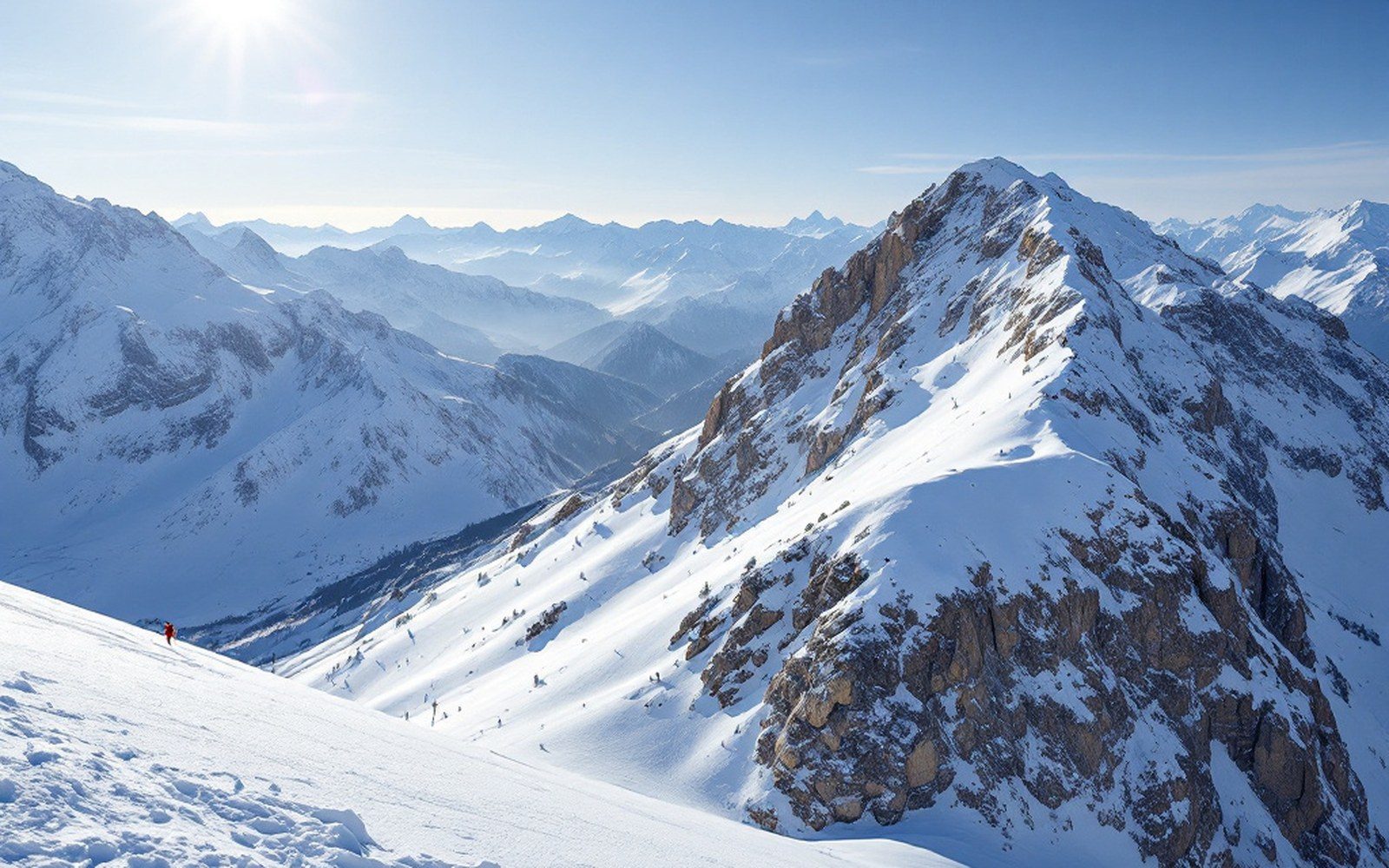
Penitentes and La Hoya
Two small areas, north and south of the big resorts, each kept alive by something no other resort in Argentina depends on quite so much.
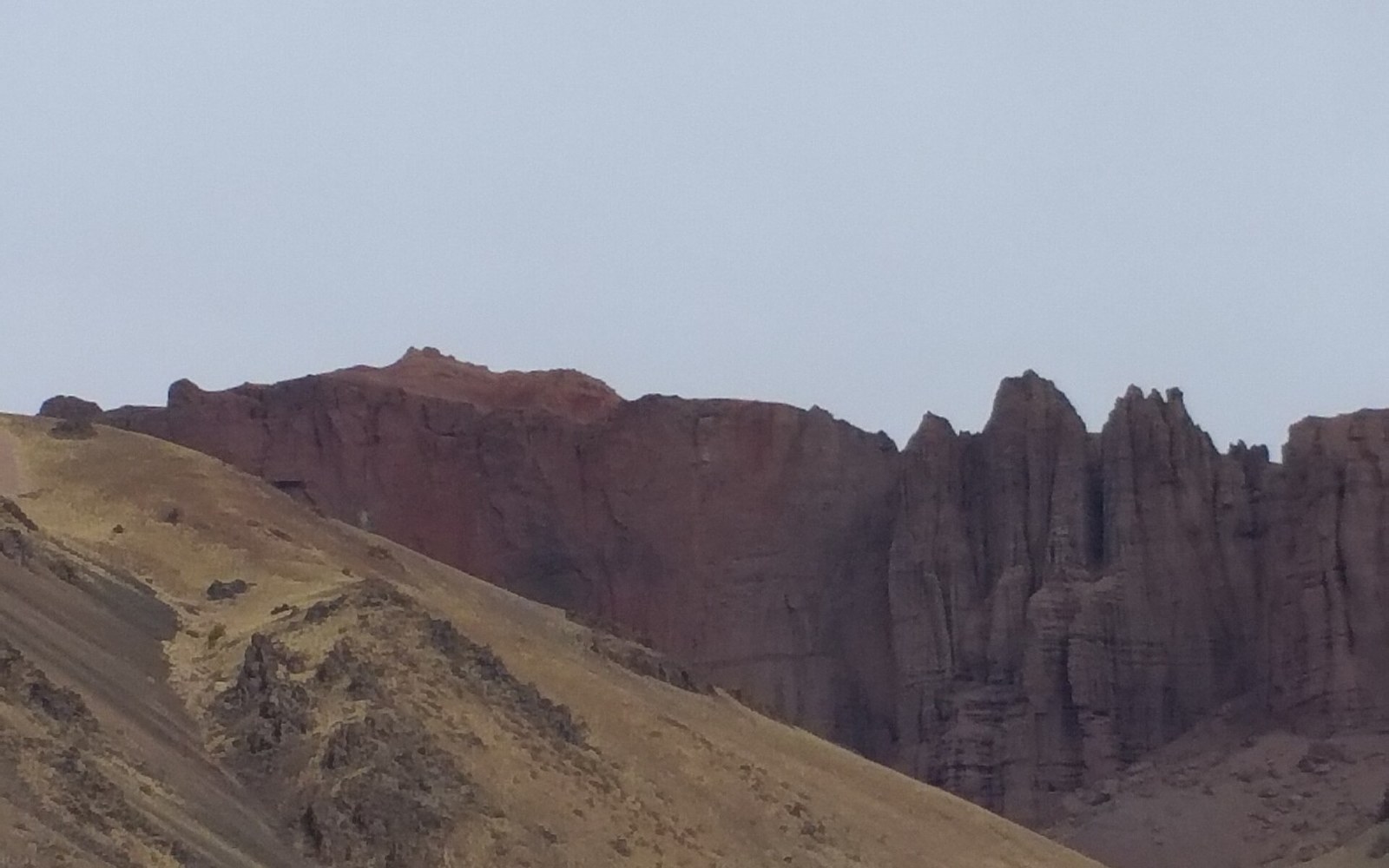
The road to Penitentes
Penitentes sits at roughly 2,580 metres on Ruta Nacional 7, the highway that crosses the Andes into Chile through the Paso Internacional Los Libertadores. That fact is almost the whole story. The resort has never been large — a handful of lifts, a compact vertical of around 700 metres — but its clientele is the road itself. Travelers crossing from Mendoza to Santiago stop; climbers staging an ascent of Aconcagua use it as a warm-up hill; Argentine families from the city of Mendoza, little more than two hours away, arrive without any of the logistics that a trip to Bariloche requires. Proximity is the product.
The snowpack here sits in the central Andes, where the winters are drier and more variable than in the lake-district resorts further south. Storms arrive from the Pacific in small numbers across a short season, and the same zonda — the warm, desiccating wind that drops off the eastern slope of the range — can erase days of accumulation inside an afternoon. In a generous year the terrain above the lifts holds snow well into September; in a lean year the season barely closes the month of July. There is no city at the foot of the mountain to cushion a bad winter financially, which is why the resort's fortunes track the snowpack so directly. What falls is what there is.
The mountain itself takes its name from the rock formations visible on the surrounding ridges: tall, tapering columns of wind-eroded stone called penitentes (penitents), for their resemblance to hooded figures in a religious procession. They share the name with the better-known snow penitentes — tall, tapering blades of snow and ice, a high-altitude phenomenon driven by direct solar radiation at low humidity — it belongs to the mountain, not to the resort, and appears across the central Andes wherever the conditions are right. Glaciologists have studied the formation extensively; Charles Darwin noted them in the 1830s during his crossing of the Cordillera.
From the field notes
What keeps each resort alive
- Penitentes
- road traffic on the Mendoza–Santiago crossing; proximity to Aconcagua staging; no city base
- La Hoya
- snow-retaining topography despite modest elevation; local draw from Esquel; Ruta 40 traveler flow
- Both areas
- small lift counts, seasons that track snowpack directly, no buffer resort economy
La Hoya and the shadow it lives inside
La Hoya occupies a different kind of luck entirely. The resort sits above Esquel, in Chubut, at an elevation that would seem modest by Andean standards — the base is under 1,500 metres — yet it accumulates and holds snow more reliably than several higher-altitude areas further north. The reason is topographic. The Patagonian Andes at this latitude are lower and more broken than the central range, which allows Atlantic moisture, carried by westerlies sweeping around the bottom of the continent, to wrap into the cordillera from the east as well as the west. La Hoya sits in a local snow shadow — shaped by regional precipitation patterns — that lets snow settle and compact on its north-facing and sheltered slopes without the same thermal erosion that attacks Penitentes.
The snow shadow effect here is well documented in how the regional precipitation patterns work: the valleys west of Esquel receive significantly more rain, while the hill above town accumulates a denser, longer-lasting snowpack than the elevation alone would suggest. For a small area — the vertical drop is modest, under 700 metres — it punches above its weight in season length, regularly opening in late June and holding terrain into the first weeks of September.
La Hoya draws from Esquel directly, a town with no other winter economy to speak of, and from a scatter of travelers moving through Patagonia on the Ruta 40 corridor. Like Penitentes, it is a local mountain. Unlike Penitentes, it does not need a busy international crossing to survive — it needs the right kind of topography, and it has it.
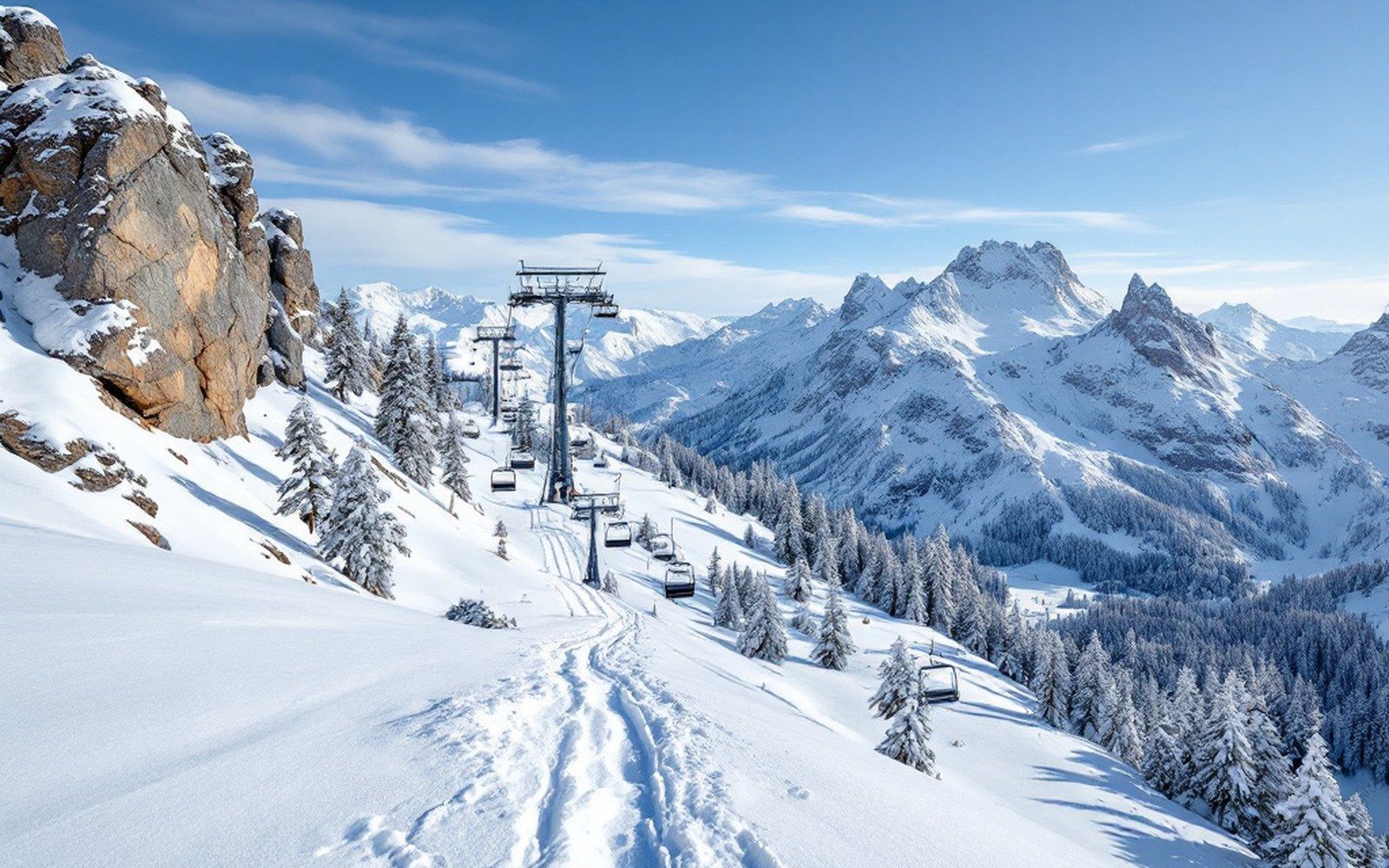
Both areas are places where the mountain provides what the mountain provides, and the resort is built around what that is rather than what could be marketed. In a country where Las Leñas and Cerro Catedral command most of the attention, that modesty is not a failure of ambition. It is a different kind of permanence.
From the field notes
The penitentes formation
- Tall, tapering blades of snow and ice formed by solar radiation at low humidity on high-altitude snowfields
- Named for hooded religious procession figures; noted by Darwin in the 1830s; found across the central Andes
- The resort takes its name from rock pinnacles of the same shape on the ridges above it; the snow formation belongs to the high mountain — terrain feature, not a resort asset