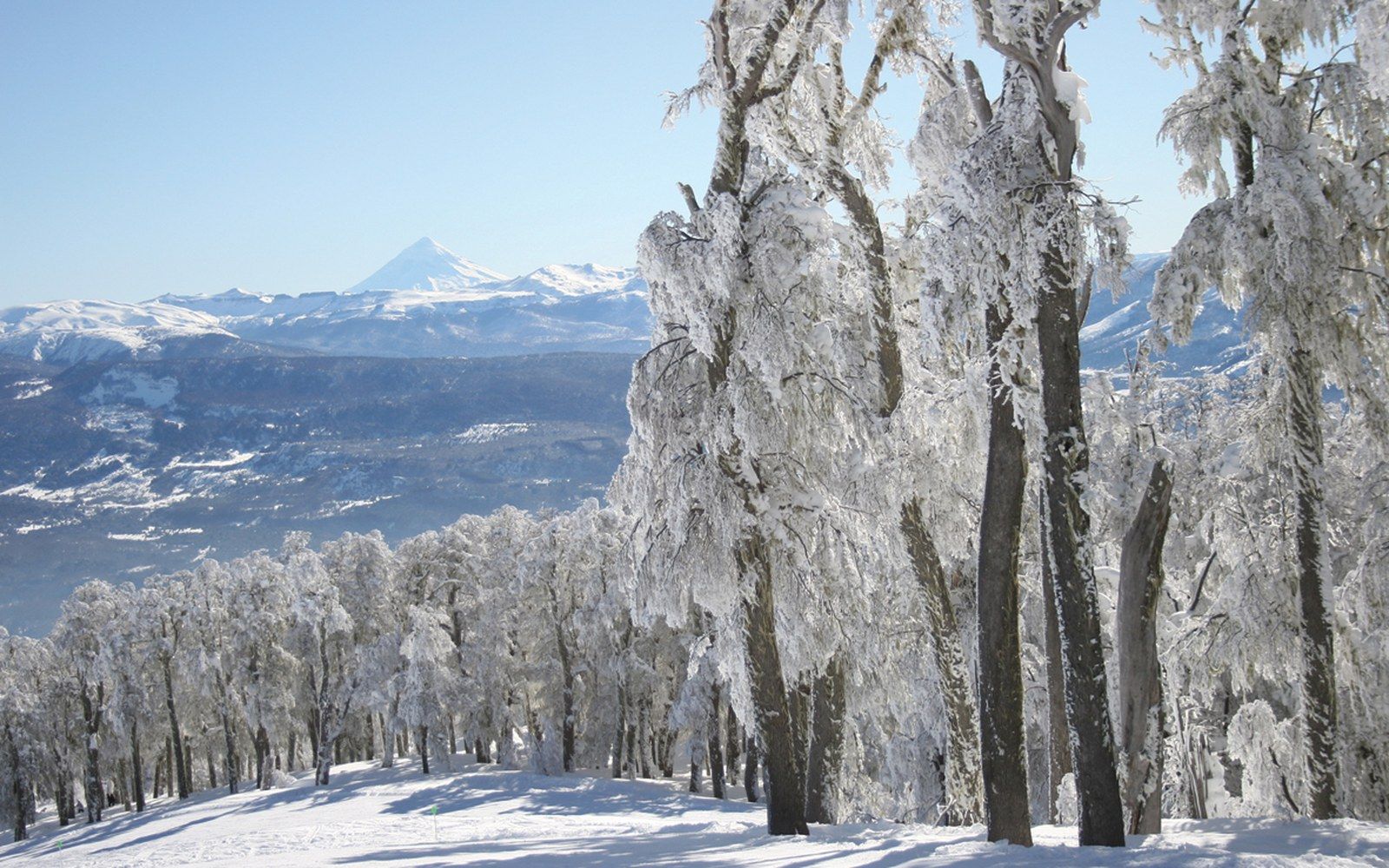
The Town Below
A ski town runs its year backward: winter is the boom, summer is the maintenance window, and everyone in between knows exactly which week matters.
The Inversion
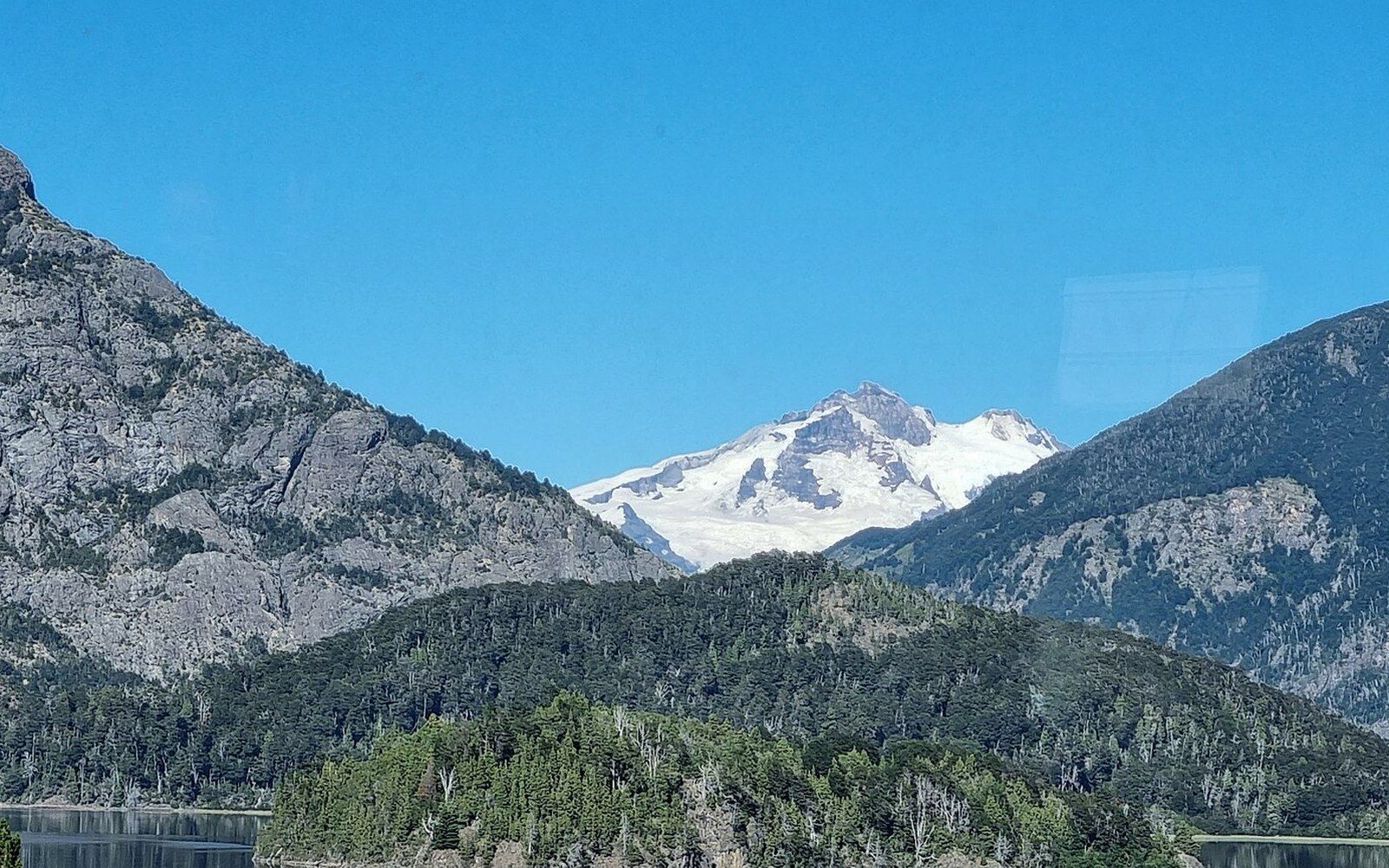
Bariloche is the clearest case. The city of roughly 130,000 sits at the foot of Cerro Catedral, and it runs on a calendar that flatly contradicts the rest of Argentina. Buenos Aires empties in January; Bariloche fills. Buenos Aires quiets in July; Bariloche hits peak. Hotel revenue, restaurant staffing, the bus schedule from the terminal on the lakefront — all of it pivots around a ski season that the rest of the country, for the most part, watches from a distance.
The mechanism is simple enough: the Andes receive their precipitation as snow between late June and early September, which means the window of reliable snowpack coincides with the Argentine school winter recess in July. That recess drives the single busiest week of the year for every resort town on the range. San Martín de los Andes, the quieter neighbour above which Chapelco sits, is smaller and more contained, but the pattern holds: a July surge, a long shoulder on either side, and then a second economy built around summer lake tourism that barely overlaps with the winter clientele.
From the field notes
The calendar logic
- Argentine school winter recess
- typically two weeks in July; set each year by each province; drives peak demand at every resort on the range
- July
- peak resort occupancy, busiest week of the Argentine ski year
- August
- snowpack often at or near its seasonal maximum, but resorts comparatively quiet after the recess
- Southern summer (November–April)
- maintenance season for lifts, cables and towers; reduced resident workforce
Who Lives There Off-Season
The people who make a ski area run — patrol, lifties, groomers, the mechanics who keep the towers and bullwheels turning — do not all disappear when the last chair closes. Some follow work to the northern hemisphere; others stay and take on the maintenance that an operating resort cannot do while skiers are present. Tower inspections, cable replacements, haul-rope certification: the southern summer is when that work happens, and it requires a resident workforce that is genuinely skilled and year-round employed. At Cerro Castor, outside Ushuaia, the season runs late enough into spring and early enough into autumn that the gap between close and open is shorter than anywhere else on the range — a function of Tierra del Fuego's latitude and the peculiarities of snowfall that far south.
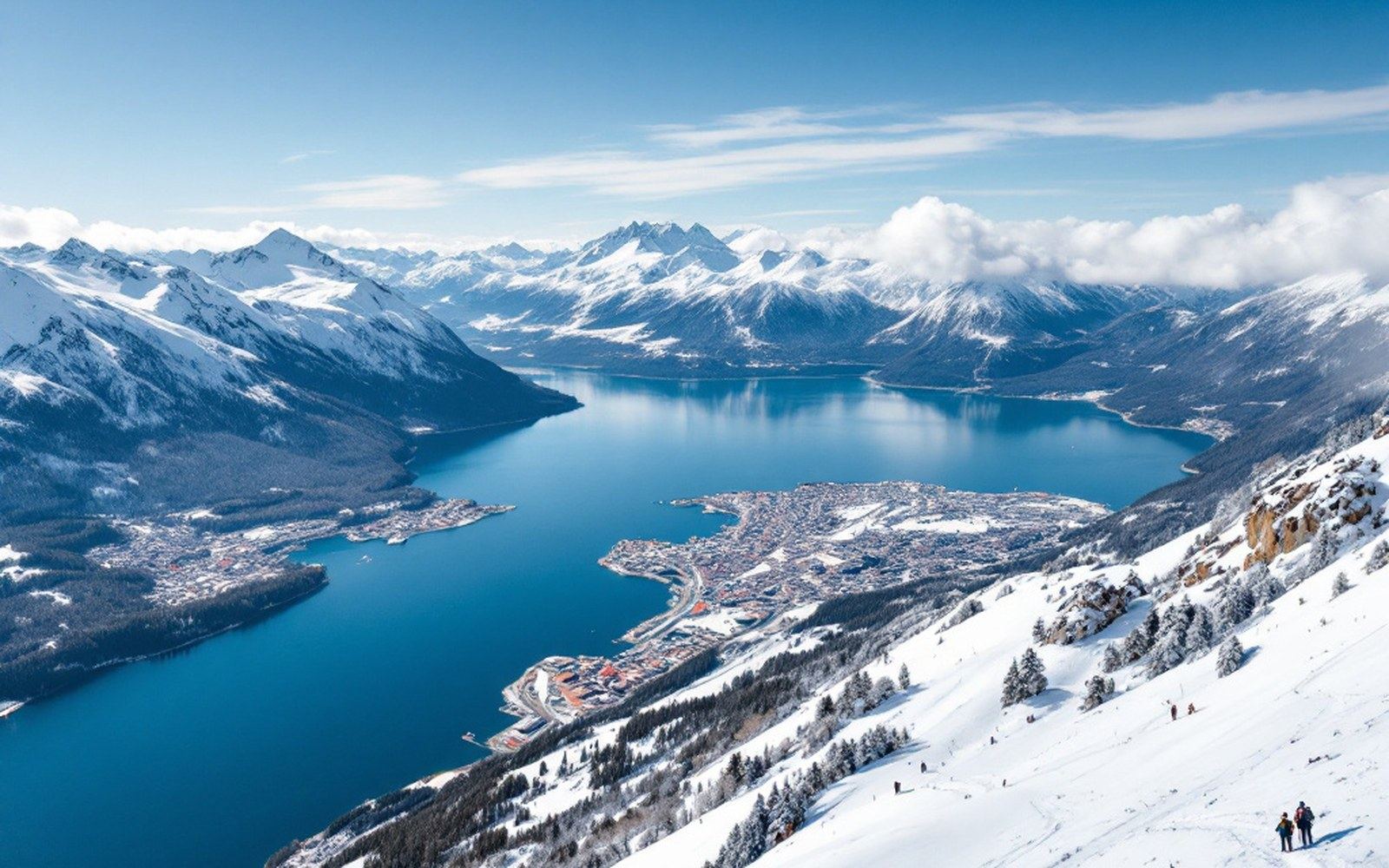
The social texture of a ski town in the off-months is distinct. Bariloche's centro cívico, the civic center designed by Alejandro Bustillo and completed in 1940, reads differently in March than it does in August: the same stone buildings, the same view down Nahuel Huapi, but staffed by people in fleeces rather than ski gear, and quiet in the way that only a place calibrated for crowds can be quiet. Ushuaia has a second engine — cruise-ship tourism and the national park — so its off-season is never quite as still. But the ski economy still shapes the town's rhythm in ways that summer arrivals do not always recognize.
The Week That Pays
Every resort administrator, every hotel owner in Bariloche or San Martín de los Andes, understands that the Argentine school winter recess — typically spanning two weeks in July, with the exact dates set annually by each province — is not just the busiest period but often the economically decisive one. A poor snow year, or a recess that falls late and misses the snowpack's peak, can shape a town's finances for months in either direction. The resorts that have diversified — summer trekking, mountain biking, lake crossings — carry the off-season better, but none of them have replaced the primacy of that July window.
What this means on the ground is a town that lives at two speeds. The August that foreign race teams experience — quiet lifts, uncrowded restaurants, a mountain that feels almost private — is a structural artifact of the Argentine school calendar, not a secret or a discovery. The recess has passed; the town has already earned its winter. The mountain is still working, the snowpack is often at its deepest, but the crowd has gone home, and the town is, briefly, its own again.