The People Who Open It
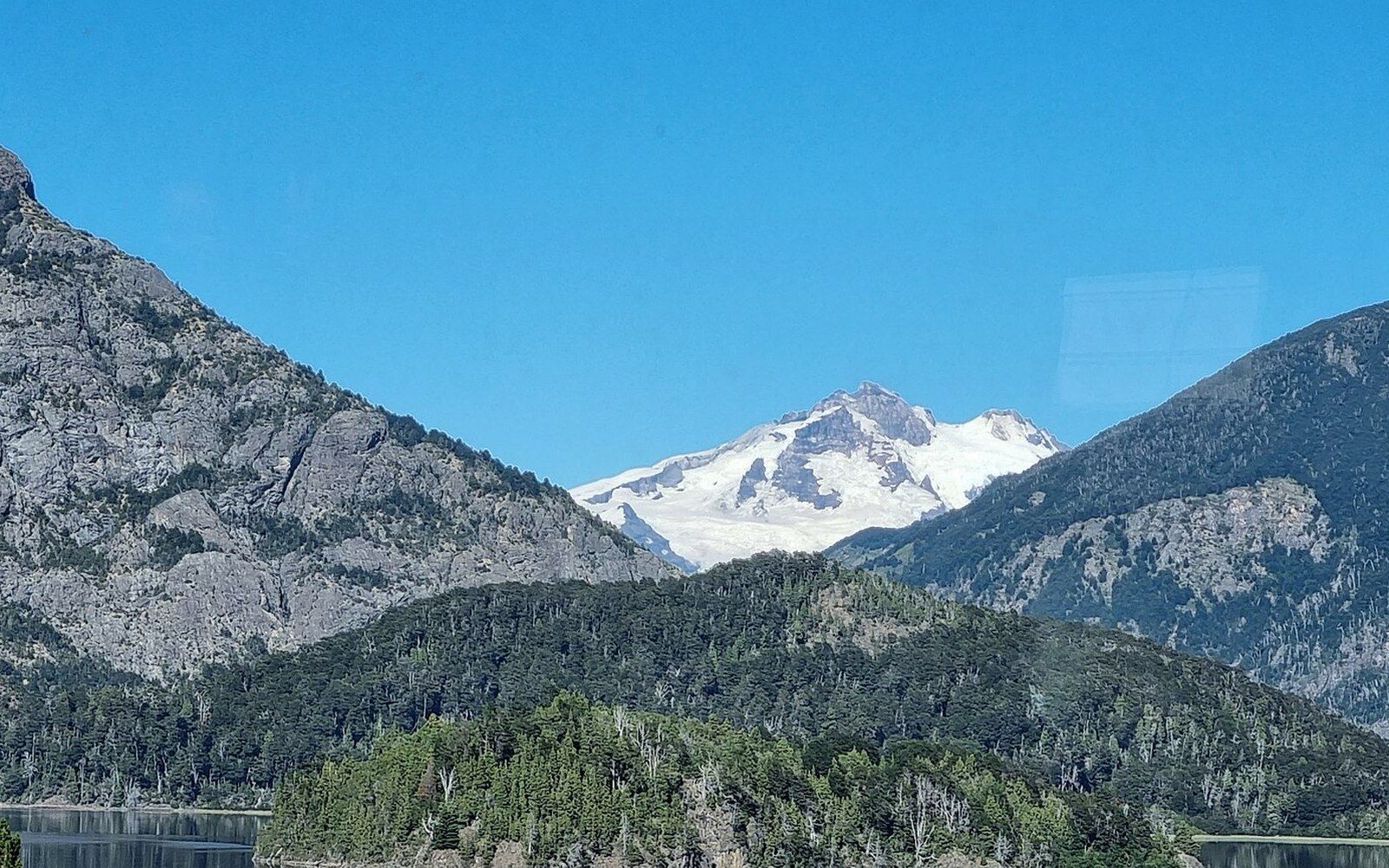
Before the first chair moves, a mountain has already been working for hours.
The shift before the shift
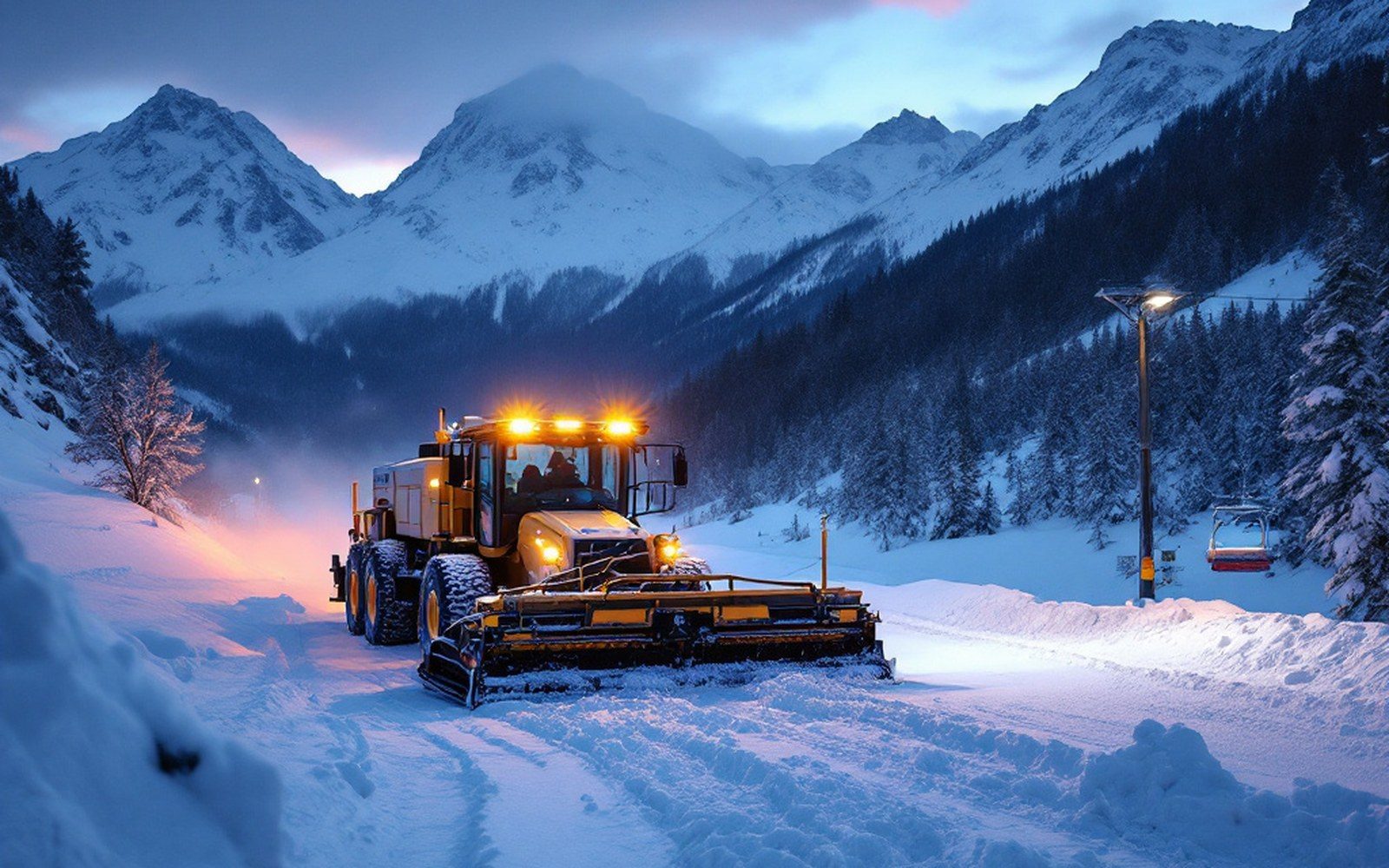
The grooming cats go out before midnight. By the time a skier arrives at the base, the piste has already been worked twice — a first pass to break up the crust, a second to lay the corduroy. The operators navigate by GPS overlay and feel, reading the surface through the seat, knowing where the thin spots are on a north-facing roll at Cerro Catedral or where wind slab has loaded the traverse at Las Leñas. They do not stop until first light, when the snowpack is too soft in one place and too hard in another and the window closes.
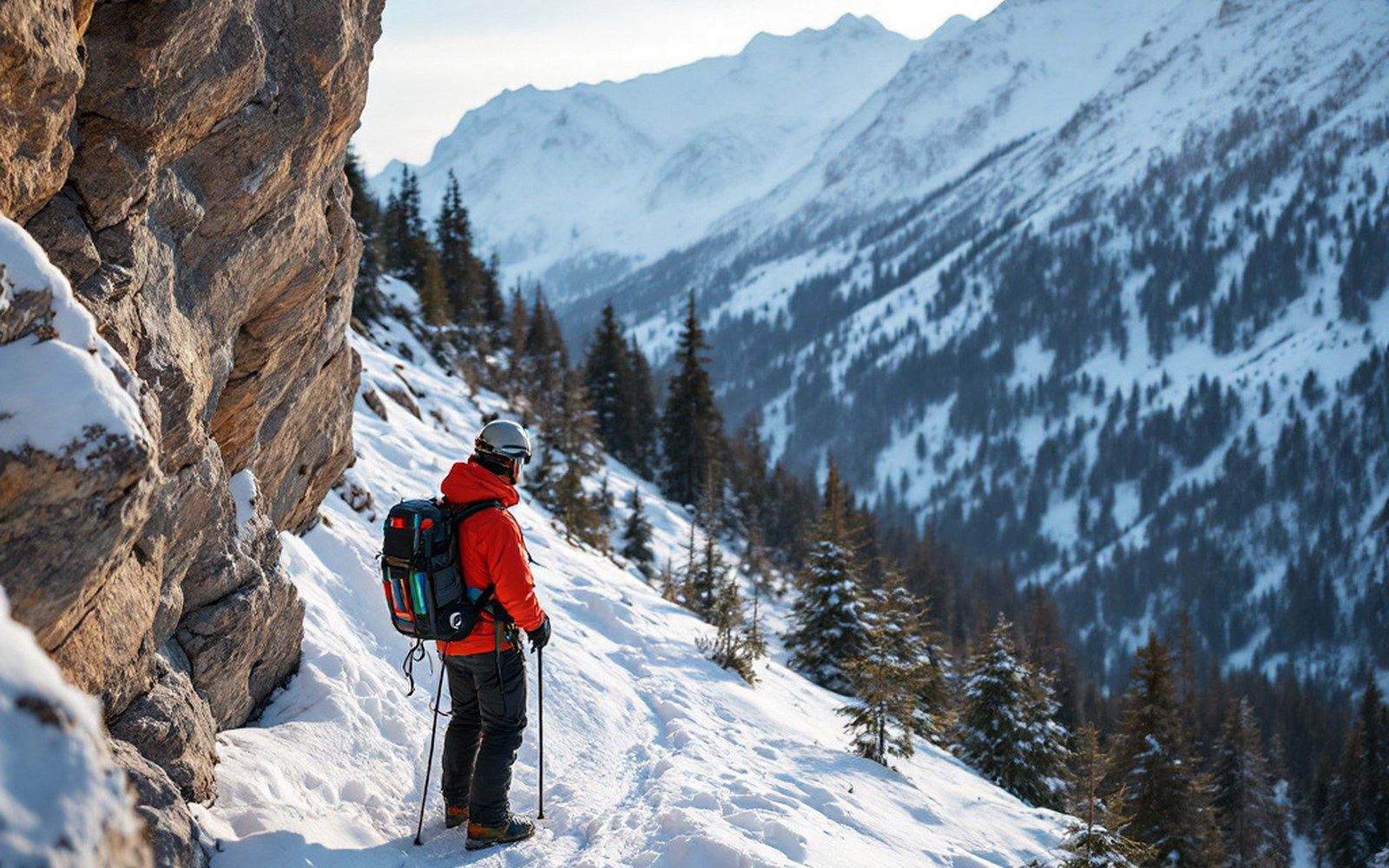
Patrol is up at the same hour, or close to it. At every resort from Penitentes in Mendoza province to Cerro Castor near Ushuaia, the first patrol sweep is a terrain read: overnight wind loading, settlement, anything that moved. At the southern resorts the lenga beech — lenga, the deciduous Nothofagus that defines the treeline from Chapelco south — holds snow differently than the open alpine faces further north, and the patrol team reads the trees the way a forecast reader reads a chart. What accumulated, and where, and how it bonded to what was underneath.
Lift crews begin their own checks while patrol is still on the hill. Every bull wheel, every haul rope terminal, every grip on the grip carrier — inspected on a schedule that Argentine transport authorities mandate, and that operators follow before any passenger ever sits in a chair. At Cerro Catedral, which has more lift infrastructure than anywhere else in South America, that is not a trivial morning. The resort's network grew across decades, and the maintenance team carries institutional knowledge of machinery that spans several eras of lift engineering.
From the field notes
The morning sequence
- Grooming cats go out before midnight — typically two passes before dawn
- Patrol sweep begins at first light — terrain read, not a routine walk
- Lift mechanical inspection completes before first passenger load
- Sequence applies at all nine resorts, scaled to their infrastructure
The season these people actually work
June through October, the mountain workforce runs a calendar entirely inverted from Buenos Aires. When the rest of Argentina is heading toward summer holidays, a groomer at Chapelco is three months into a season and starting to think about the late-season snowpack, which at elevation in the Cordillera can be deep and dense and stubborn long after the lifts close. These are not seasonal workers in the pejorative sense — many have worked the same resort for a decade or more, accumulating a knowledge of specific terrain that no amount of instrument data fully replaces.
The zonda — the warm, dry wind that drops off the lee of the Andes — is understood by this workforce in its particulars, not its generalities. A veteran patrol leader at a Mendoza-region resort has seen what a twelve-hour zonda does to a specific face they have walked every winter for years: the surface that looks intact and is not, the hollow knock underfoot where the bond has gone. Instruments confirm what they already suspected. The measurement comes after the read.
At Caviahue, where the araucaria — the monkey-puzzle tree, Araucaria araucana — grows at lift-served elevation on the flank of the Copahue volcanic complex, the patrol and maintenance crews work around a landscape that has no equivalent elsewhere in the system. The trees are protected; the work contours around them. The access road, which crosses terrain that can drift completely shut overnight, is the first problem most mornings.
What August looks like
In August the workforce is at full stretch precisely when the hill is most crowded. Northern-hemisphere race teams arrive to train in the Andes' reversed season, and their presence compresses the day — earlier opening, later close, more laps on fewer terrain features, and a patrol that is watching a course being trained at speed by athletes who are not here for the scenery. The grooming crew's overnight work becomes a surface that national coaches will spend the morning criticizing in four languages.
None of this is visible to the skier loading the first chair. The cat tracks are gone by then, smoothed into the corduroy. The patrol has roped what needs roping and left the rest open. The lift is running, the grip has been tested, and the person who checked it is already warming their hands on something hot at the bottom shack, watching the first chair go up empty, which means everything worked.
From the field notes
Key terrain and species context
- Lenga
- deciduous Nothofagus beech; marks the treeline from Chapelco south; holds snow differently than open alpine faces
- Araucaria
- Araucaria araucana, the monkey-puzzle tree; grows at lift-served elevation at Caviahue; protected species, patrol and maintenance routes work around it
- Zonda
- warm, dry wind off the Andes lee; can strip a snowpack in hours; veterans read its effects by eye before instruments confirm